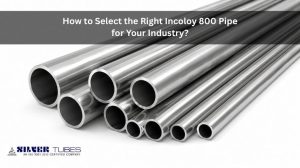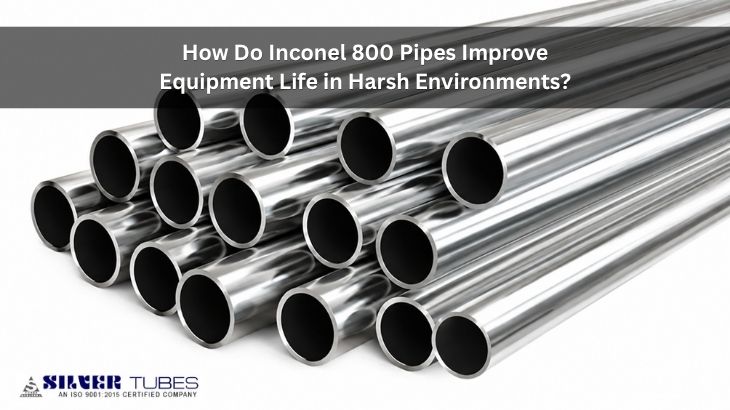
Piping systems in high-temperature and corrosive plants fail long before their rated life when the wrong alloy goes into the line. Oxidation, scaling and thermal fatigue eat away at wall thickness until leaks, unplanned shutdowns and costly replacements follow. Inconel 800 Pipes offer a nickel-iron-chromium composition built for exactly these conditions. Resistance to oxidation, carburisation and high-temperature degradation results in longer service intervals and keeping equipment running longer between overhauls.
Why Do Harsh Environments Reduce Equipment Life?
Several stress factors combine to shorten the working life of process piping. The high operating temperatures soften the metal, reduce creep strength and accelerate scale formation on internal and external surfaces. Oxidation and corrosion degrade protective films and expose the base metal to continual attack by process fluids and gases. Carburisation and nitridation embrittle and harden susceptible alloys. Repeated thermal cycling causes fatigue cracks at welds and bends. Exposure to chemicals, mechanical loads and vibration impose additional stress, causing standard carbon steels or basic stainless grades to require frequent maintenance and early replacement. Choosing an alloy engineered for these exact conditions changes that outcome entirely.
How Do Inconel 800 Pipes Improve Equipment Life?
Excellent High-Temperature Performance
Inconel 800 pipe properties include stable mechanical strength at elevated service temperatures, where many conventional alloys begin to soften and creep. This alloy retains useful tensile and creep-rupture strength well into high-temperature ranges. That stability makes it a practical choice for furnace tubing, heat-treatment fixtures and other equipment operating continuously above 550°C.
Resistance to Oxidation and Carburization
Chromium content in the alloy forms a protective oxide layer on the pipe surface, slowing the rate of scale buildup in oxidizing atmospheres. The same composition resists carbon pickup in carburizing environments, a common failure mode in ethylene cracking and reformer applications. Fewer carbides forming at the grain boundaries means less embrittlement over time. This directly reduces the material degradation that shortens pipe life in petrochemical furnaces.
Good Corrosion Resistance
Corrosion resistant pipes made from this alloy hold up against a range of acidic, alkaline and chloride-bearing media found in chemical processing lines. Reduced surface attack means thinner corrosion allowances translate into longer wall retention. Fewer pinhole leaks and less unplanned pipe replacement follow directly from that resistance, cutting both material waste and labour hours spent on repairs.
Resistance to Thermal Cycling
Repeated heating and cooling cycles fatigue standard steel piping at welds, flanges and bends. Cracks initiate quickly under this stress. Inconel 800 alloy pipes tolerate thermal cycling with fewer signs of fatigue, since their metallurgical structure resists the grain boundary damage that thermal shock causes in less stable alloys. That reliability matters most in batch-process heating equipment where temperature swings occur several times a day.
Reduced Maintenance Requirements
Longer material life translates directly into fewer shutdown-and-replace cycles across the plant. Maintenance teams inspect and repair less often when the pipe itself resists the failure mechanisms causing most downtime. Lower lifecycle costs follow, since replacement labour, welding consumables and production downtime all shrink as pipe service intervals extend.
Where Are Inconel 800 Pipes Commonly Used?
- High temperature alloy pipes in this grade serve heat exchangers, where consistent thermal conductivity and oxidation resistance keep tube bundles performing under repeated thermal load.
- Petrochemical processing units rely on the alloy for cracking and reforming lines exposed to carburizing gas streams at sustained high temperatures.
- Chemical processing plants use it where acidic or chloride-bearing media would corrode standard stainless steel within a few operating seasons.
- Heat treatment equipment and furnace components benefit from the alloy’s dimensional stability across repeated firing cycles.
- Industrial heating systems and power generation equipment use it in superheater and reheater sections exposed to flue gas corrosion.
- Process piping carrying elevated-temperature fluids across refineries also draws on this alloy, since fewer scheduled replacements keep production lines running without interruption.
What Should You Consider Before Selecting Inconel 800 Pipes?
The first requirement is the operating temperature range. If you operate outside of the alloy’s effective temperature window, you’re changing the performance expectations. Depending on the chemical environment such as specific acids, gases or chloride content, this grade or a related nickel alloy will be better suited to the application. Pressure requirements and wall thickness influence pipe schedule selection and long-term stress performance under load. Fabrication and welding requirements are also important, since weld integrity in nickel-iron-chromium alloys is a function of proper filler metal and heat input control. Buyers should refer to the applicable ASTM and ASME specifications for the intended application, including mechanical properties and anticipated service life, prior to placing an order. Working with a stockist that holds verified material certification and traceable mill test reports removes guesswork from procurement.
Conclusion
Inconel 800 pipes for harsh environments address the exact failure points that shorten equipment life: oxidation, carburization, thermal cycling and chemical attack. Selecting the right grade for a given process reduces maintenance frequency and extends the working life of furnaces, heat exchangers and process piping across petrochemical and chemical plants. Silver Tubes, based in Mumbai, stocks Inconel 800 pipes ready for immediate dispatch. Contact Silver Tubes, your Inconel 800 pipes stockist, for material certification and current stock availability.